

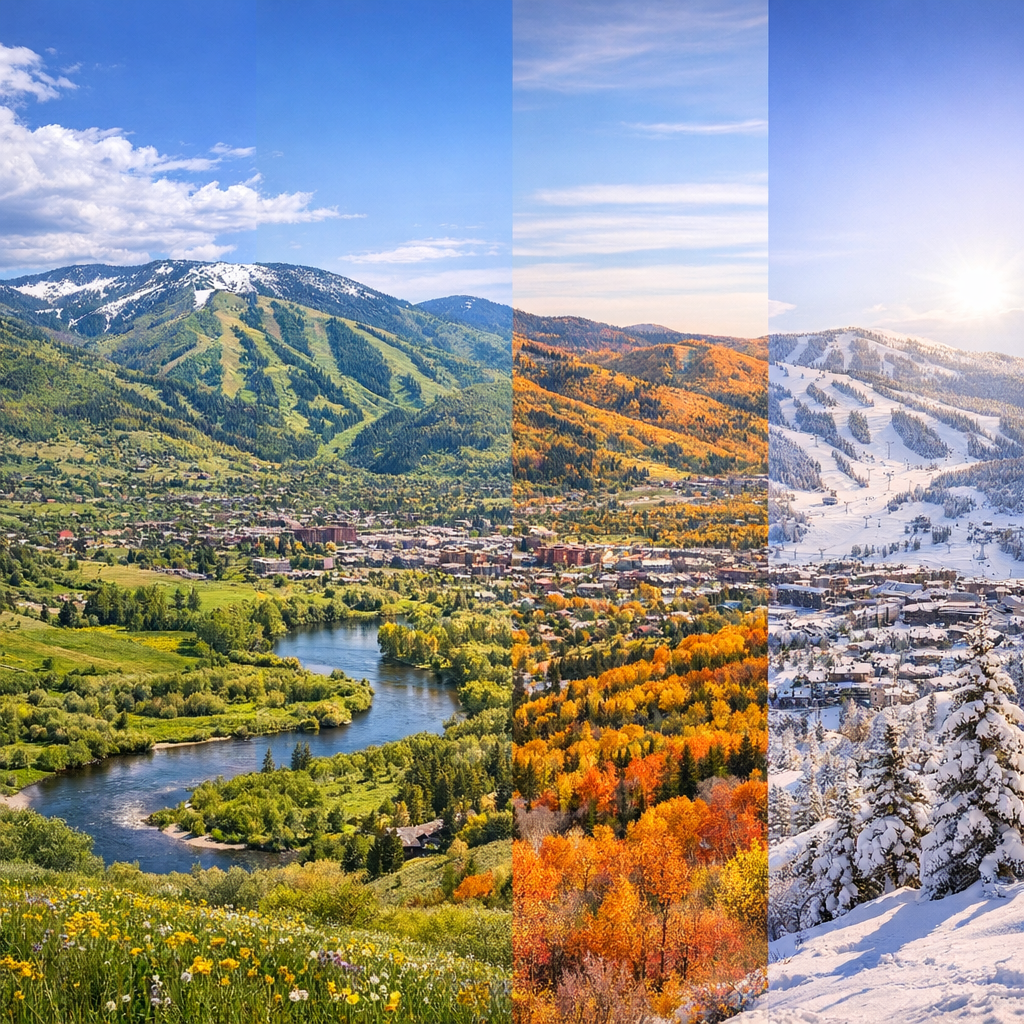
Steamboat Springs, nestled in the heart of Colorado’s Rocky Mountains, offers a distinctive climate that influences both the environment and the lifestyle of its residents. Understanding the seasonal patterns can enhance appreciation for this unique locale.
Winter: A Snow Enthusiast’s Paradise
From November through March, Steamboat Springs transforms into a winter wonderland. Average high temperatures hover around 28°F (-2°C) in January, the coldest month, with lows dipping to 8°F (-13°C). The area receives substantial snowfall, averaging 155 inches (394 cm) annually, providing ideal conditions for skiing and snowboarding enthusiasts. The renowned Steamboat Ski Area boasts a 10-year average snowfall of 347 inches (881 cm), with a record high of 489 inches (1,242 cm) during the 2007-2008 season. This abundant snowfall is characterized by the region’s famous ‘Champagne Powder®,’ known for its light and fluffy texture, making it a haven for winter sports.
Spring: A Season of Transition
As winter recedes, April and May bring milder temperatures and increased precipitation. Average highs range from 54°F (12°C) in April to 64°F (18°C) in May. This period sees the highest rainfall, with April averaging 2.67 inches (68 mm). The melting snow and spring rains rejuvenate the local flora, setting the stage for vibrant summer landscapes.
Summer: Warm Days and Cool Nights
June through September offers warm, dry conditions with clear skies. July, the warmest month, experiences average highs of 82°F (28°C) and lows around 41°F (5°C). The low humidity and elevation contribute to comfortable summer days and cool nights, ideal for outdoor activities like hiking, biking, and fishing. Despite the warmth, the region’s elevation ensures that summer heat remains moderate compared to lower-altitude areas.
Autumn: Crisp Air and Changing Colors
October and November mark the transition to winter, with temperatures gradually decreasing. October sees average highs of 59°F (15°C), while November cools to 44°F (7°C). The fall foliage provides a picturesque backdrop, and the crisp air signals the impending return of winter sports season.
Environmental Considerations
Steamboat Springs’ climate also influences its environmental dynamics. The region’s thermal springs, for instance, are subject to ongoing studies to understand their hydrologic and geochemical properties. These natural features are integral to the area’s ecosystem and tourism industry. Additionally, the community faces challenges related to urbanization and land use changes, which can impact local water resources and environmental sustainability.
Understanding the climate patterns of Steamboat Springs not only enriches the experience of residents and visitors but also underscores the importance of mindful environmental stewardship in this unique mountain community.